

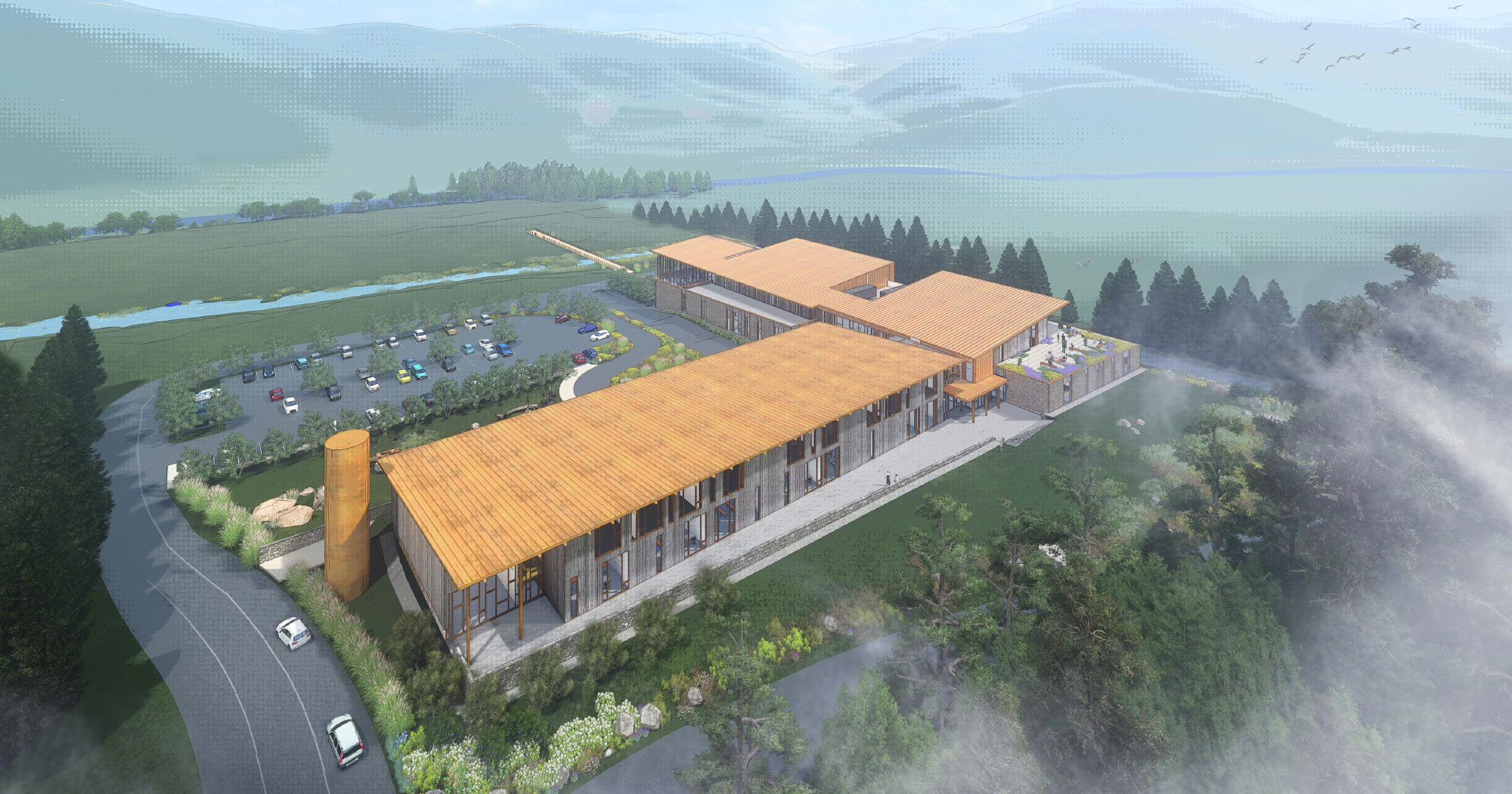
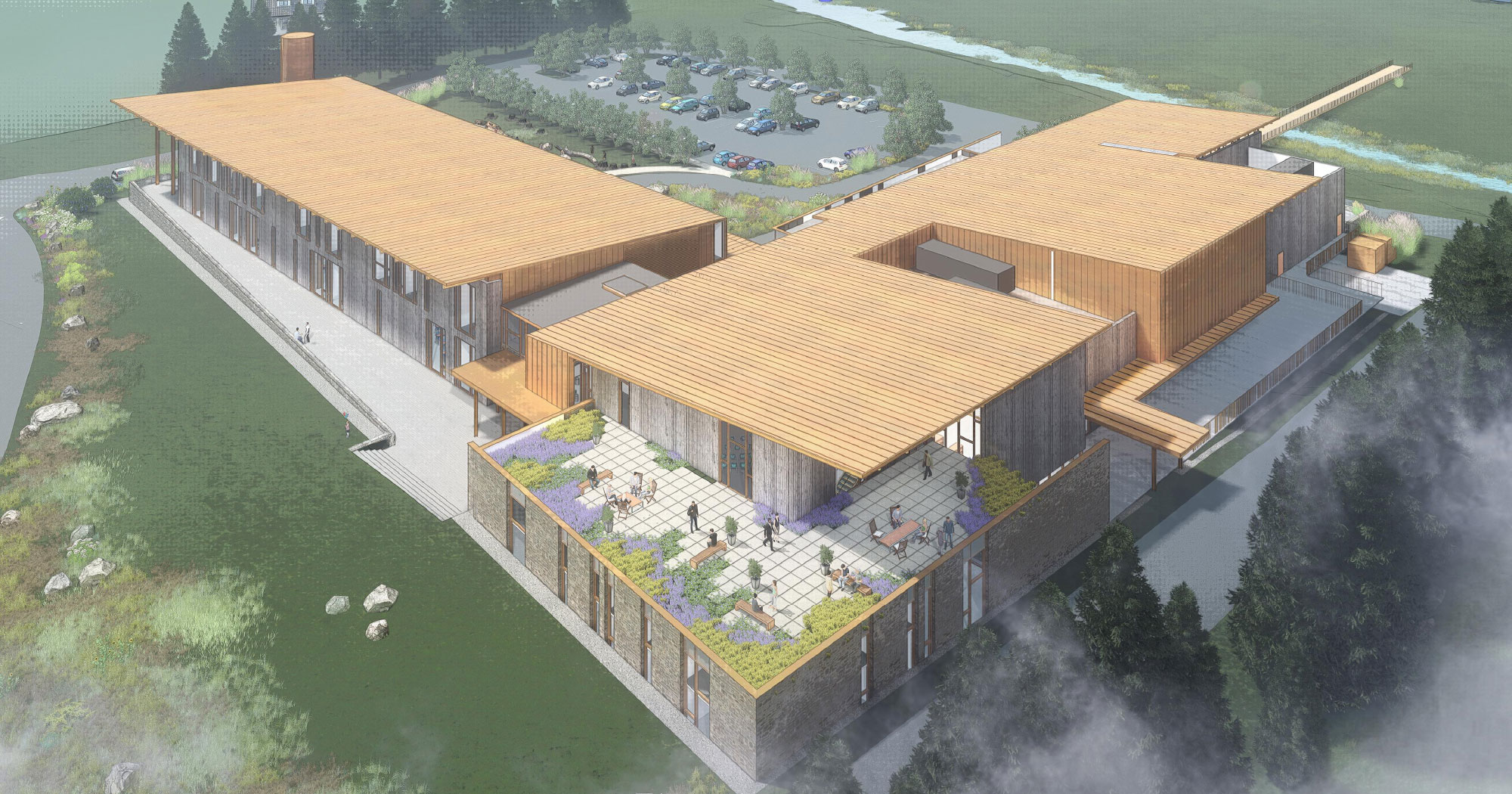
Valle Crucis Elementary School
Project: Large Subsurface Wastewater System
LRM was contracted by Watauga County Schools to conduct the soil and site evaluation for a new Large Subsurface Wastewater System to serve the Valle Crucis Elementary School. The project required permitting a 6,000 gallon per day system on approximately 4 acres of flood plain adjacent to the Watauga River. The site presented a unique set of challenges rarely encountered in Western North Carolina — flat topography with slopes of 0–5%, sandy alluvial soils underlain by an alluvial cobble deposit, and a seasonal high water table within the cobble layer. LRM evaluated 24 test pits across the proposed disposal area, conducted 18 saturated hydraulic conductivity (K-sat) measurements, and determined all pits were provisionally suitable for a conventional gravel system with an LTAR of 0.5 GFD. The primary challenge was demonstrating that 6,000 gallons per day could be applied to the site without creating a wastewater mound — a critical requirement under 15A NCAC 18A .1946. Because the site’s flat terrain made a standard lateral flow analysis unreliable, LRM worked closely with the NC DHHS Onsite Wastewater Protection Branch to apply the Colorado State mounding model, a method typically used on coastal properties. Initial slug test data produced unrealistic mounding predictions, leading LRM to bring in Environmental Soil Services, Inc. (ESS) for additional field testing and analysis. ESS conducted supplemental K-sat testing, established groundwater gradient and flow direction, and produced a revised mounding analysis that confirmed the site could accommodate the proposed system. LRM also navigated a 100-foot setback requirement from the adjacent High Quality Waters (HQW) classified stream, redesigning the repair system as an aerobic subsurface drip irrigation system to ensure both primary and repair fields fit within the available space. The system was successfully permitted through the State’s Onsite Wastewater Protection Branch — representing one of the more technically complex LSWS permits issued in the NC mountains due to the combination of flood plain soils, mounding analysis requirements, and HQW setback constraints.